

New self-defense rules and penalties for those who lend accounts to extortionists: what changes with Legislative Decrees 1743 and 1744

Legislative Decrees No. 1743 and 1744 (El Peruano, November 8, 2026); Law No. 32743; Criminal Code, article 20 paragraph 3 and article 200; Law No. 30096; Criminal Procedure Code.
A criminal law reform for the security crisis
On Sunday, November 8, 2026, in a special edition of Peru's official gazette El Peruano, the Executive published Legislative Decrees 1742, 1743 and 1744, issued under the legislative powers delegated by Congress through Law No. 32743 (published October 22, 2026) on citizen security. The reform arrives amid a serious insecurity crisis: according to police data cited by the international press, annual homicides rose from around 1,000 in 2018 to 2,600 in 2025, and extortion complaints jumped from 3,200 to 26,500 in the same period.
Two of these rules directly affect citizens: Legislative Decree No. 1743, which amends the self-defense rules in article 20, paragraph 3, of the Criminal Code, and Legislative Decree No. 1744, which amends the Criminal Code, Law No. 30096 (Cybercrimes Law), the Criminal Procedure Code and Legislative Decree 1182 to strengthen the prosecution of extortion, contract killings, kidnapping and organized crime.
What changes in self-defense? (DL 1743)
Article 20.3 of the Criminal Code exempts from criminal liability whoever acts in defense of their person, third parties or property, provided there is unlawful aggression, rational necessity of the means used and insufficient provocation. Previously, "rational necessity" was the most contested filter: many citizens who defended themselves during assaults ended up prosecuted.
DL 1743 introduces key changes:
Presumption of rationality in favor of the defender. The law presumes that whoever defends their integrity, that of third parties or their property acts rationally; the burden of proving otherwise shifts to the Public Prosecutor's Office.
The strict proportionality criterion of the means used is eliminated, replaced by an assessment of the particular circumstances of the attack and the defense.
Mandatory definitive dismissal. Prosecutors must order the definitive closure of investigations when they verify that the requirements of self-defense are met.
The reform covers defense of life, physical integrity, freedom and property against criminal aggressions.
Important: self-defense still requires a real unlawful aggression and insufficient provocation; excessive defense may still be punished.
Penalties for those who lend accounts and digital wallets (DL 1744)
DL 1744 adds paragraph 3 to article 200 of the Criminal Code (extortion): whoever deliberately provides their bank accounts, digital wallets (Yape, Plin), e-money accounts or other financial services to receive or transfer extortion payments faces the same penalty as the extortionist: 10 to 15 years in prison. This closes the financial link of extortion.
The decree also increases penalties for violent crimes such as contract killings, aggravated robbery and kidnapping; amends Law No. 30096 to punish unlawful access to computer systems and adds aggravating factors for the use of digital means in extortion and organized crime; adjusts the Criminal Procedure Code (new rules on flagrante delicto arrest, geolocation of communication equipment and preliminary investigations); and, together with DL 1742, orders the Armed Forces' participation in the external security of prisons and sets effective prison for expelled foreigners who re-enter the country irregularly.
Practical analysis: what does it mean for you?
If you are a victim of extortion: do not pay and report immediately. Keep messages, recordings and the account or wallet numbers used by the extortionists: they are essential evidence, because the entire financial chain can now be prosecuted.
If you were offered money to "lend" your account or Yape: refuse. This conduct is now a serious crime punishable by up to 15 years in prison.
If you defended yourself and are being charged: the reform favors you, but obtain legal counsel immediately, gather witnesses, security camera footage and a medical certificate.
If you are a business owner or transporter: review your security protocols; the reform strengthens the prosecution of extortion against merchants and transporters, a crime that severely hurts regional economies such as Tumbes and the northern border.
Conclusion
Legislative Decrees 1743 and 1744 mark a shift in Peruvian criminal policy: the law now better protects those who defend themselves and punishes those who facilitate the economic machinery of extortion. Never hand over or "rent" your accounts, report every extortion, and seek immediate technical defense if you face charges.
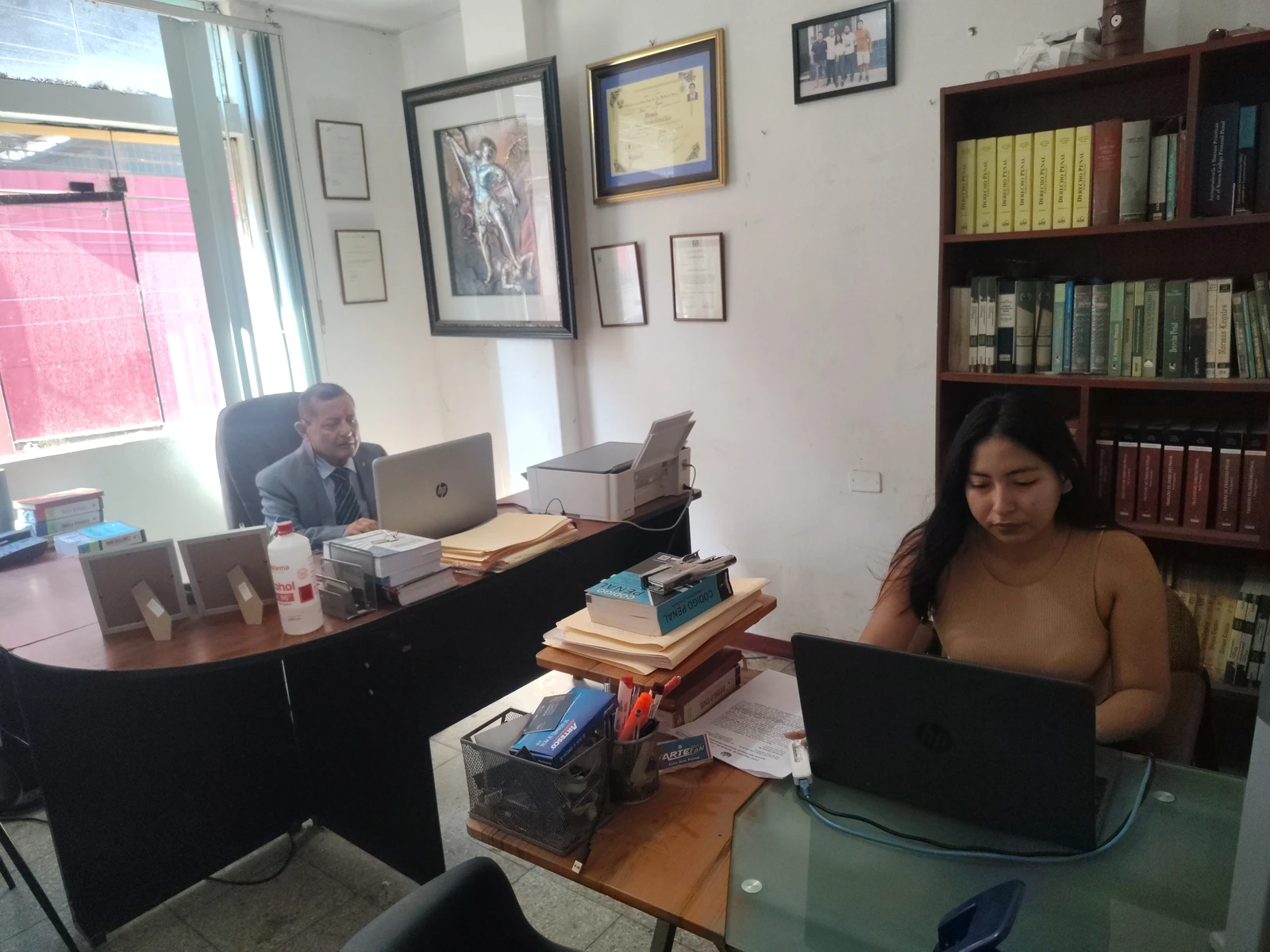
If you or a relative face an extortion case, criminal charges or an investigation over an act of self-defense, Estudio Jurídico Cabrera, with the experience of Dr. Héctor Oswaldo Cabrera León, former Judge of the Judiciary, advises you with rigor and effective defense. Contact us and protect your rights today.
Procedural Criteria & Legal Rationale
Legislative Decree No. 1743 amends article 20, paragraph 3, of the Criminal Code: whoever defends their integrity, that of third parties or their property is presumed to act rationally, and the burden of proving otherwise now rests with the Public Prosecutor's Office.
The strict proportionality criterion of the means used is eliminated and prosecutors must definitively close investigations when they verify the requirements of self-defense.
Legislative Decree No. 1744 adds paragraph 3 to article 200 of the Criminal Code: whoever deliberately provides bank accounts or digital wallets (Yape, Plin) for extortion payments receives the same penalty as the extortionist, 10 to 15 years in prison.
The reform increases penalties for contract killings, aggravated robbery and kidnapping, hardens Law No. 30096 against unlawful access to computer systems, and adjusts the Criminal Procedure Code (flagrante delicto, geolocation and preliminary investigations).